seek purpose find self transform

Does this sound like you?
You work hard, giving your all to your job. Because it’s the one place you get validation.... You desire to feel connected with others - your family, friends, co-workers - but you live with your emotions frozen, unable to truly "feel" as life seems to... pass you by?
So instead you feel disconnected, like others don't understand you?
Or maybe
you constantly feel on edge, irritable, and chronically tired because you haven't had the luxury of a solid night of sleep since... you can't remember. You feel out of sorts with how your life is going right now. You want more - and you've researched - read self help books, attended seminars or listened to podcasts - but just can't get on top of the negative patches, past and present, that keep pulling you back, like a heavy weight hovering over you.
It's okay to not be okay right now.
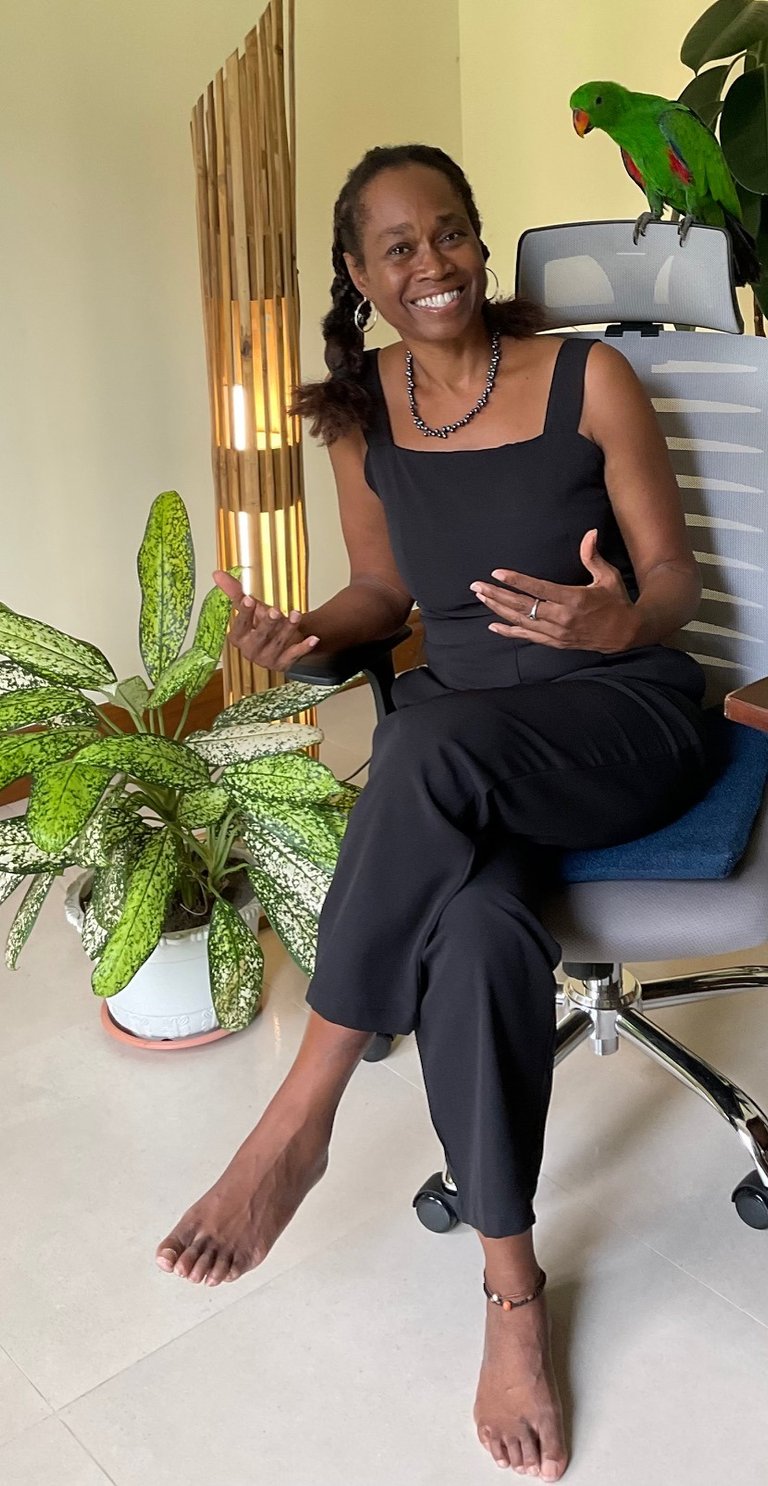
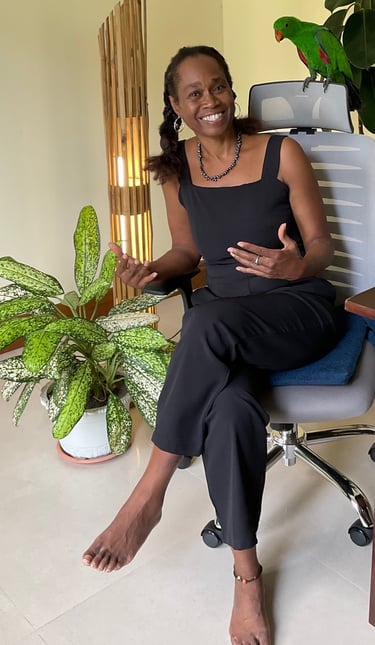
Hi, I'm Erivynn.
"I help women who want to rid themselves of negative or abusive patterns from their past which are blocking forward movement in their work, personal life or relationships....
Purpose Counseling with me focuses on discovering your empowerment. You will gain new skills for managing anxiety, raise self confidence, heal from past abuse, and discover renewed purpose to bring happiness into your life. Together we can create a life that you want to run toward instead of a life you want to run from."
I will help you with taking small, easy steps at your own pace to:
Learn about emotions and how to experience them in a healthy manner - so they HELP you instead of HINDER you
EMPOWER you to identify and reframe beliefs that are not serving you
Reveal and bring forth your authentic YOU, so that you feel EMPOWERED to choose healthier options along your life's path for increased happiness & wellbeing
Helping women move from surviving to thriving with gentle, empowering support.
Your Journey
Take gentle steps to heal, empower, and thrive with Erivynn’s support.
Help for Stress
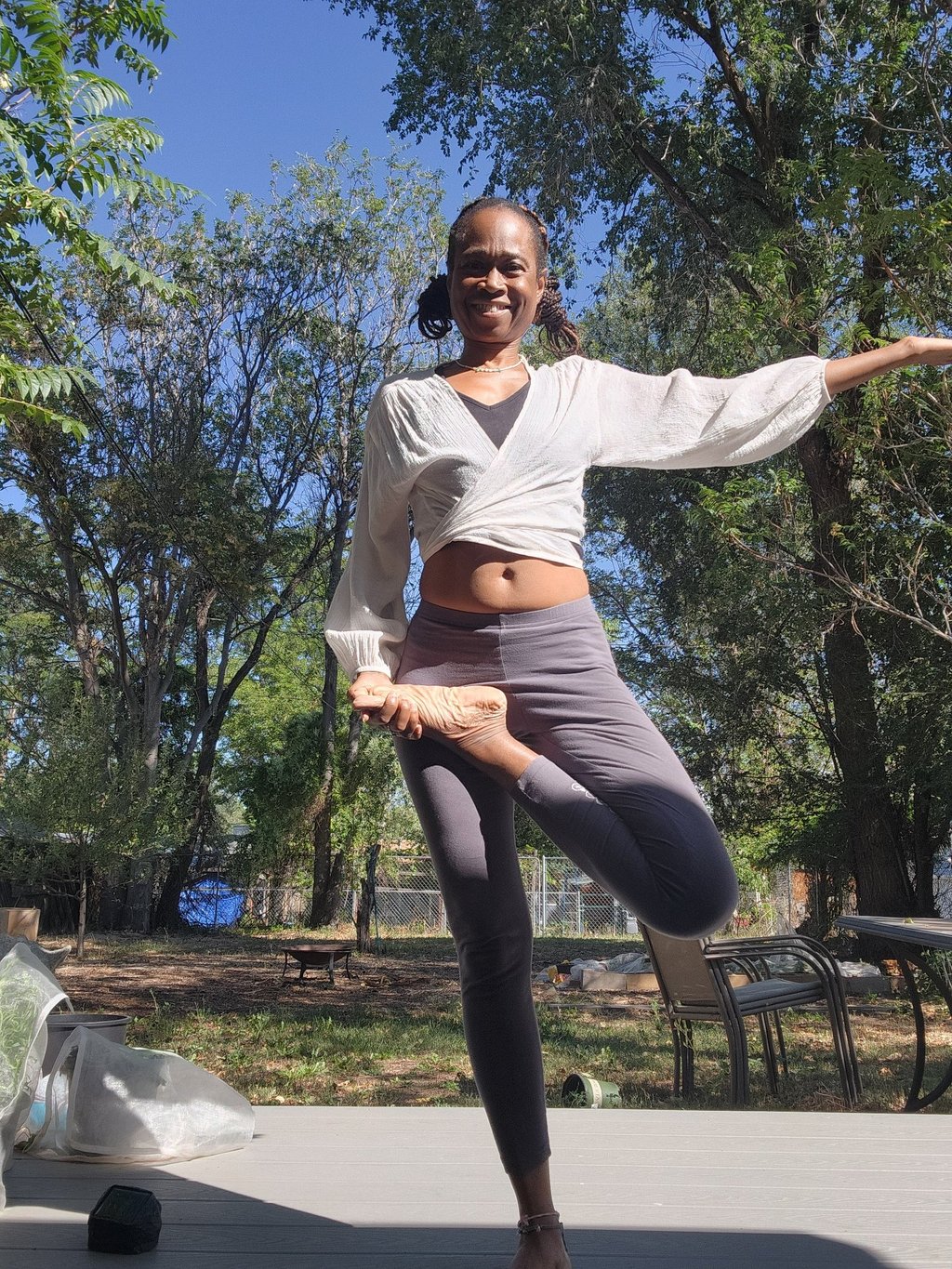
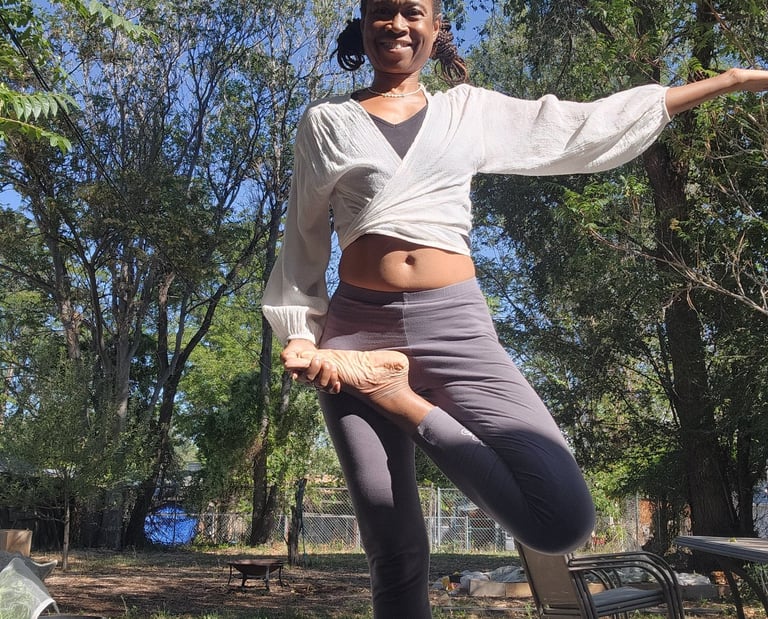
Stress beats us down, but we don’t have to stay down. I will teach you how to recognize your early warning signals of stress piling up and how to manage it gracefully.



Skills for Anxiety
Identify and reframe thoughts that limit your grIs restlessness and worry keeping you up late at night so that you have trouble falling asleep? I will teach you tools to manage your anxiety as well as teach you how to calm and relax your body.owth and happiness.
Sometimes we learn habits in the past that no longer serve us now in the present. I will help you recognize old patterns no longer serving you and gently guide you on how to release them.
Healing from the Past
One small step is all it takes to get started on your path to happiness and freedom - Let’s talk:
Invest in YOU
Experience change
Imagine yourself…
Feeling at ease in a group of people, having friends with whom you feel safe and are fully accepting of you, quirks and all.
This can happen for you.
Let me support you on your journey with Purpose Counseling.


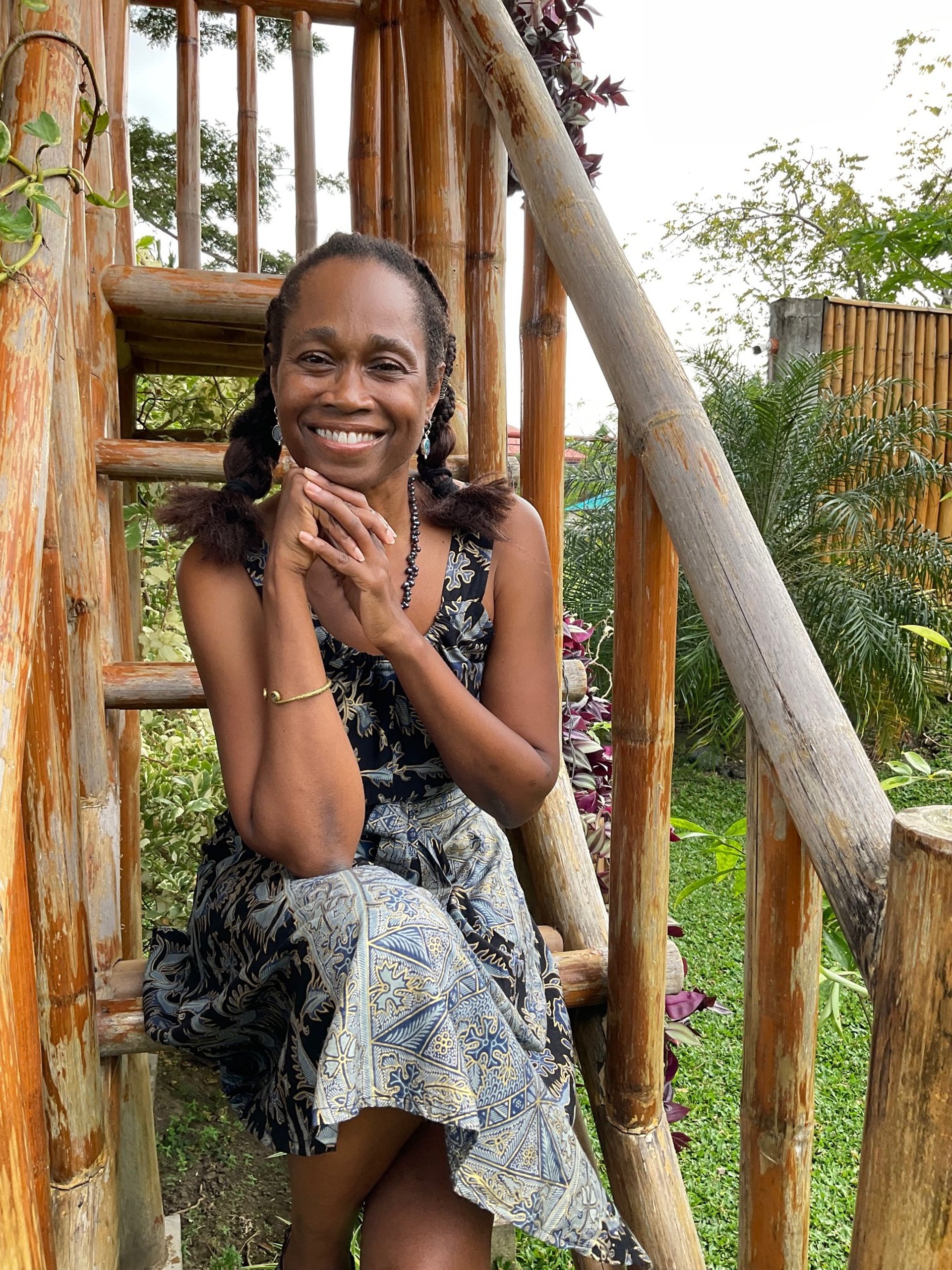
Hi, I'm Erivynn
I offer a safe space for women to process through stress & anxiety from an open forum of self growth while integrating healthy coping skills.
I validate and provide grounding support as you try out new skills to empower yourself to navigate gracefully through the difficult areas of life. Within a safe and open space, we will work together to apply new tools, explore and air out darker corners and work on shifting your thought system to reclaim disconnected parts for a stronger and cohesive YOU. We’ll work from a strengths-based approach to optimize your natural gifts. I pull from a variety of methods, including use of how to gain control over your thoughts, visualization and mindfulness practices.
Voices Heard
Real stories from women finding their strength
"Thank you for showing me kindness and allowing me to find the pathe to believing and trusting. I appreciat your kind guidance and sympathetic witness to my stories. You were amazing and I cannot thank you enough for all you have done for me. I will continue to take what you have taught me and grow with it. I appreciate all the tools and space you gave me to grow. I truly feel seen and I have you to thank for that.
Joey


Denver
"Erivynn's techniques have significantly iproved my ability to manage anxiety. Her approach is deeply rooted in understanding personal needs, setting boundaries, and appluing practical tools. My relationships and overall wellbeing have greatly benefited from her guidance."


Samanth Snyder, Business Owner
Denver
★★★★★
★★★★★

Contact Us
Ready to start your journey? Reach out today.
Contact
Email or leave a message for support or guidance.
Phone
719-824-1532
© 2026. All rights reserved.